



Success in projects, strategy implementation or change processes depends heavily on clearly defined goals. However, goals are often formulated in vague terms: “We want to grow” or “Create better processes”. Such goals are difficult to measure and not very action-oriented. This is where SMART goals come into play. They provide companies with structure, orientation and measurable criteria for tracking progress in a targeted manner.
"Clear, measurable goals are not a luxury, but a decisive factor for sustainable business success."
1. What are SMART goals?
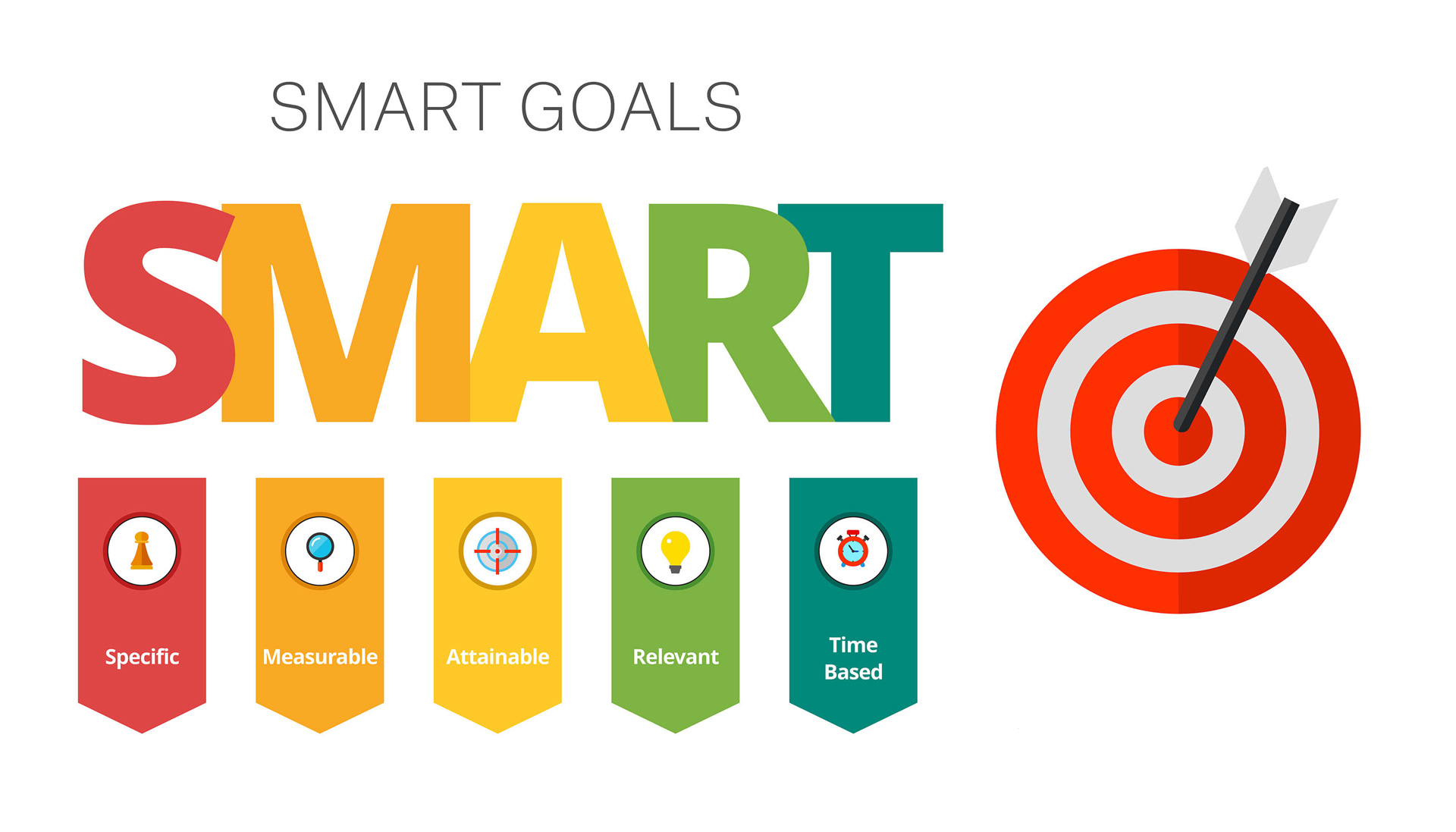
SMART is an acronym for five criteria that make goals clear, specific and verifiable:
-
Specific: The goal is clearly defined. Example: “Increase online sales by 15% in the B2B sector.”
-
Measurable: Progress and success can be measured objectively. KPIs or key performance indicators help with this.
-
Attractive/Achievable: Goals should be challenging but realistic. Unrealistic targets demotivate teams.
-
Relevant: The objective contributes directly to the overall corporate strategy or business success.
-
Time-bound: There is a clear timeframe, e.g. “by the end of Q3 2026”.
SMART goals help teams set priorities, use resources efficiently and track results transparently.
2. Advantages of SMART goals in companies
-
Clarity for employees: Everyone knows what matters and what results are expected.
-
Measurability and control: Progress can be objectively assessed and adjusted.
-
Motivation: Specific goals provide orientation and measurable success experiences.
-
Increased efficiency: Resources are used in a targeted manner.
-
Strategic alignment: Goals actively support the corporate strategy rather than acting in isolation.
3. Practical examples
Sales:
-
Instead of “We want more customers” → “Increase the closing rate in B2B sales by 10% by the end of the year through targeted follow-up campaigns.”
Marketing:
-
Instead of “We want to improve our online presence” → “Increase organic website traffic by 20% by the end of Q4 through SEO measures and content marketing.”
Project management:
-
Instead of “Project X should be successfully completed” → “Completion of Project X within 6 months, with a budget of max. CHF 100,000 and at least 90% customer satisfaction.”
Personnel development:
-
Instead of “We want to train employees” → “Training of all employees in the field of AI tools by the end of June 2026, with a certificate of successful completion for 95% of participants.”
4. Tips for implementation
-
Regularly review and adjust goals: Markets, technology and internal resources change – SMART goals should be flexible.
-
Involve teams: Employees develop commitment when they are involved in setting goals.
-
Document and visualise: Make goals visible, e.g. in dashboards or KPI reports.
-
Establish a culture of error: Goals should be challenging; mistakes and adjustments are part of the learning process.
-
Utilise technology: Tools such as project management systems, analytics, and KPI dashboards support measurability and tracking.
Role of AM Consulting & Management
We support companies in introducing SMART goals:
-
Analysis of existing objectives and processes
-
Definition of clear, strategic SMART goals
-
Development of KPI systems and monitoring
-
Supporting teams and managers in implementation and communication
-
Integration into digital workflows, apps and reporting systems
This is how we ensure that goals are not only formulated, but also achieved.
Summary
SMART-Ziele sind ein essenzielles Werkzeug für Unternehmen jeder Grösse. Sie machen Erwartungen klar, messbar und strategisch relevant. Wer Ziele richtig definiert, steigert Effizienz, Motivation und Erfolg und legt die Basis für nachhaltiges Wachstum.